Today, it’s easy to get caught up in all the negative headlines about the housing market. Between higher mortgage rates, tighter budgets, and stories that make buying or selling seem like a bad move, it can feel overwhelming. But when you look at the data, it paints a very different picture.
When you compare today's housing market to almost any other market in modern history, it's actually holding up remarkably well.
Homeowners Are Sitting on a Mountain of Equity
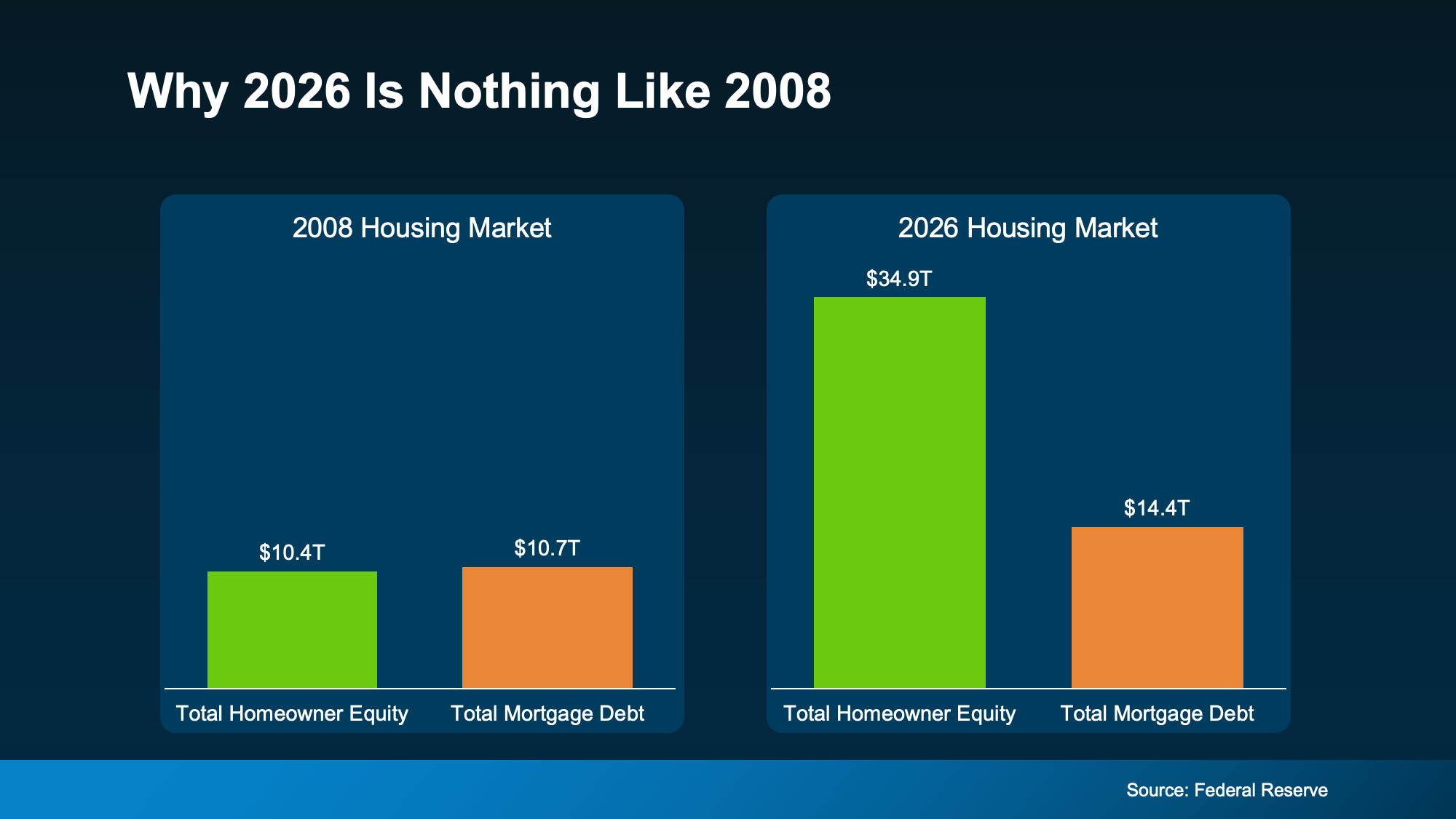
One of the biggest reasons this market has stayed strong is that today’s homeowners are in a much better financial position. Back in 2008, data from the Federal Reserve showed that homeowners' equity and mortgage debt were nearly equal. So if someone ran into financial trouble, they had very little equity to lean on. That’s a big reason the housing crash was so severe.
Today, homeowners across the country have built up about $35 trillion in equity, far more than the total amount they owe on their mortgages. That's a huge difference from the last housing crash and one of the biggest reasons today's market is on a much stronger footing. (See graph below.)
That means most homeowners aren't living paycheck to paycheck when it comes to their home. They’ve built up real equity, which gives them more flexibility. If they ever needed to sell, many could do so because they have a financial cushion. And as home values grow and they continue paying down their mortgage, that cushion only gets bigger.
• Homeowners who have owned their home for about five years have built an average of $180,000 in equity. Stay in your home for six to ten years, and that average grows to more than $340,000.
• On top of that, about two out of every three homeowners either own their home free and clear or have more than 50% equity, putting them in a strong financial position.
That’s not the sign of a fragile housing market. It’s a market filled with homeowners who have the financial flexibility to sell, stay where they are, or make their next move from a position of strength instead of feeling pressured.
Low Rates and Low Foreclosures
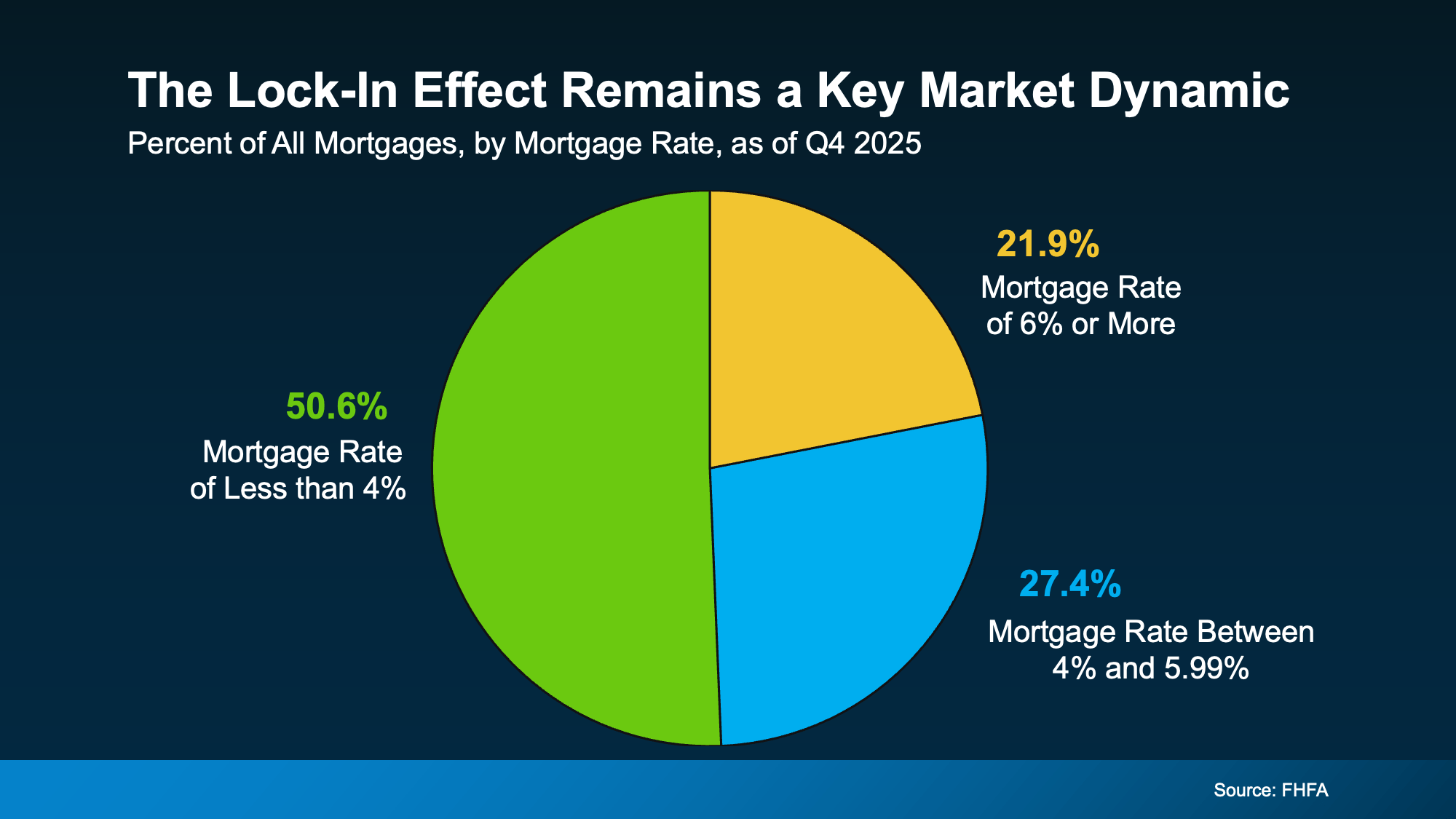
At the same time, data from the Federal Housing Finance Agency shows that more than half of all homeowners with a mortgage still have an interest rate below 4%. That means many homeowners are locked into affordable monthly payments, which has helped keep the housing market stable. (See graph below.)
That’s one of the biggest reasons housing inventory remains limited. Many homeowners aren't eager to give up their low mortgage rate for a higher one. They're in a strong financial position and have the flexibility to stay put instead of feeling pressured to move.
That financial strength shows up in the foreclosure numbers too. While foreclosures have ticked up a bit recently, they're still well below historical levels. Most homeowners aren't losing their homes because they've built up equity, have some financial breathing room, and have options that help them avoid serious financial hardship.
Prices Are Stabilizing, Not Crashing
Here’s another sign of just how resilient the housing market has been. Home prices are still increasing nationwide, but they're rising at a much more sustainable pace of about 2% year over year. (See graph below.)
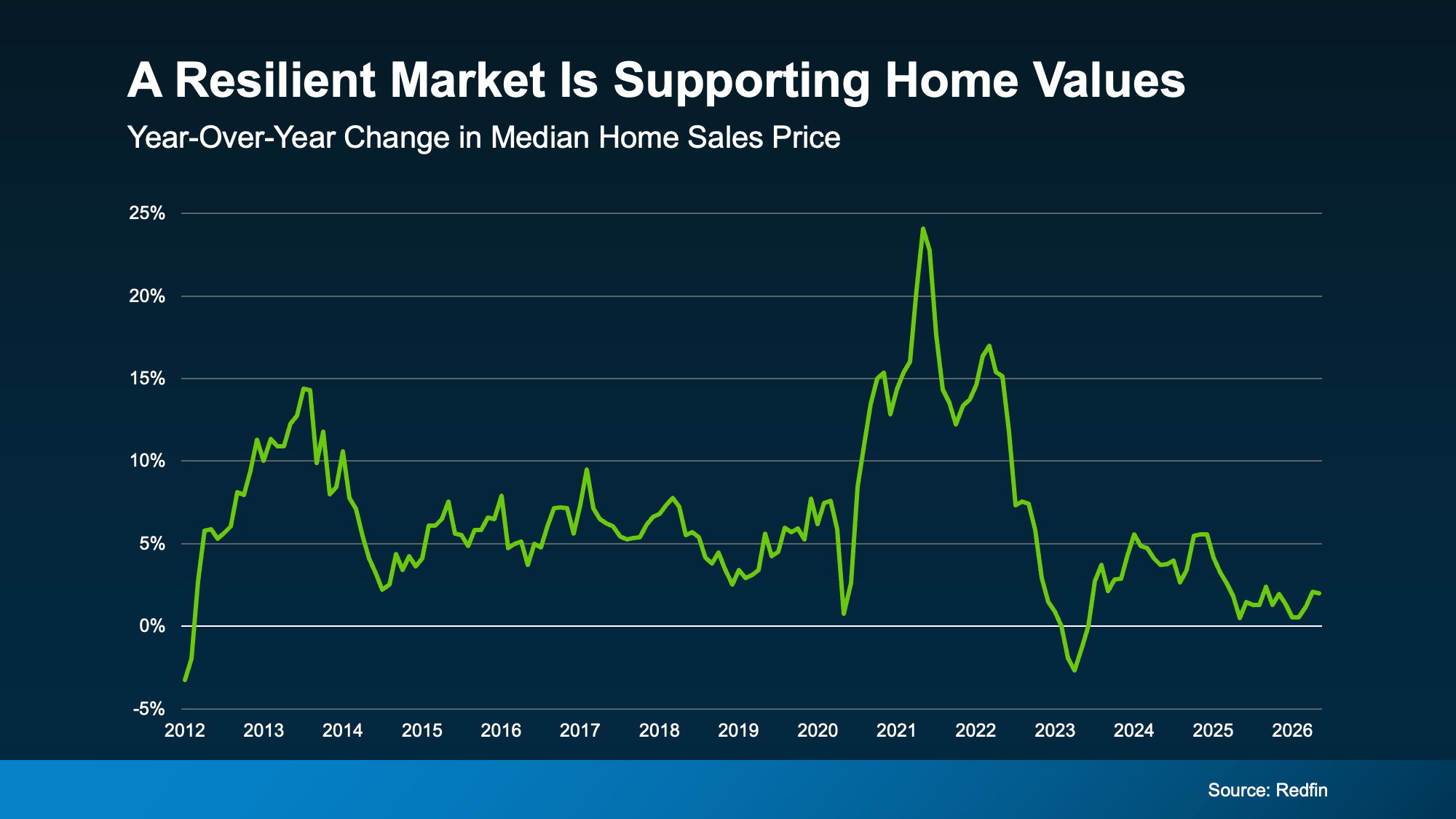
That slower pace is actually a healthy sign for the housing market. As Daryl Fairweather, Chief Economist at Redfin, explains:
““We’re in the middle of a long-term housing market correction, not a housing market crash. After the pandemic-era frenzy sent prices soaring and inventory to historic lows, the market needed a reset.”
”
Bottom Line
This market isn't broken, and waiting for a crash that may never happen can come at a cost. Every month you stay on the sidelines is another month someone else is building equity, locking in today's home prices, and getting ahead of what many experts expect could be a stronger housing market once the economy stabilizes.
Whether you're thinking about buying or selling, a local real estate agent can help you make sense of today's market, understand what it means for your situation, and decide on the best next step.