You may have seen the headlines that mortgage rates have climbed to their highest level since January 2025. If that’s making you hesitate about buying a home, there’s something important to keep in mind…
That doesn’t necessarily mean that’s the rate you’d get.
It’s easy to assume the rate you see in the headlines is the same rate you’d get when you buy. But mortgage rates change often, and your actual rate can be different depending on your situation.
What Determines Your Real Rate?
The rate you see advertised may not be the rate you actually get. Your mortgage rate depends on your finances, loan details, and goals, so headline rates don’t tell the whole story.
That’s why a lender is the best person to tell you what rate you may actually qualify for. They’ll look at things like:
Your credit score: Your credit history and how you manage your accounts can affect the rate you qualify for. Generally, a stronger credit profile can help you get a better rate.
Your debt to income ratio (DTI): This compares your monthly debt payments to your income. A higher DTI can affect your loan terms and rate.
Your down payment and Loan to Value (LTV): The amount you put down can affect your loan terms and potentially your rate.
Your loan type and term: Different loan programs and terms can come with different rates, so your lender can help you find the options that fit your situation.
Even after you find the right home, there may be other ways to lower your costs:
A mortgage rate buydown: You can pay an upfront cost to lower your rate and monthly payment. Sometimes a seller or builder may cover that cost as an incentive.
Seller concessions: A seller may be able to help cover certain closing costs, giving you more flexibility with your cash and overall financing.
A lot of different factors can affect the rate you actually get.
Your First Step? Getting Pre-Approved.
If you want to know whether your rate could be higher or lower than what you see in the headlines, talk to a mortgage professional. A quick conversation with a loan officer can help you understand when you’re ready to buy, how much you may qualify for, and what rate you could actually get.
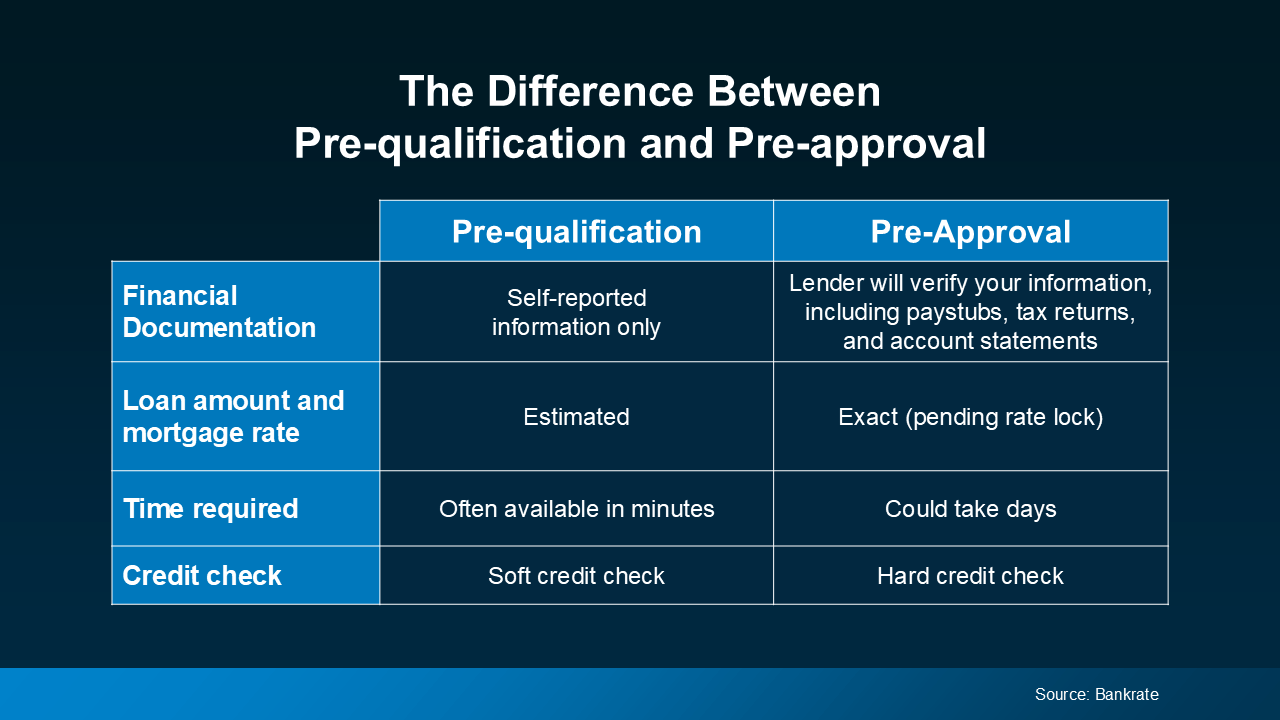
Your lender may recommend getting pre qualified or pre approved:
Pre qualification: This gives you a general idea of how much you may be able to borrow based on the information you provide.
Pre approval: This goes a step further. The lender reviews and verifies your financial information to determine what you may qualify for.
Of the two, pre approval gives you a more accurate idea of what you may qualify for than pre qualification. Here’s a quick comparison from Bankrate to help explain the difference:
How To Get Ready for the Conversation
Ask your lender what documents you’ll need to bring to the conversation. It’s also helpful to have a few questions ready, such as:
What could I gain or lose by waiting 3, 6, or 12 months to buy?
Could I get any tax benefits from buying a home?
What are the benefits of building equity now instead of waiting?
How could my finances be affected if mortgage rates go up or down?
Once you know your actual rate, you may find that you’re ready to buy now, or you may decide it makes sense to wait. Either way, you’ll have a clearer picture of your options and can make a decision that works for you.
Bottom Line
Headlines and social media can make today’s mortgage rates seem high. But the rate you see online may not be the rate you actually qualify for. The best way to find out what your rate could be is to talk with a trusted lender.
With the right guidance, you can find out what your actual rate could be and what it means for your homebuying options.