The 2026 housing market is shaping up to be a year of balance, opportunity, and smarter strategy. After years of volatility, the market is moving toward more stable ground — creating new possibilities for both buyers and sellers.
Here’s what you need to know.
A Shift Toward a Balanced Market
As mortgage rates gradually ease and housing inventory continues to grow, the market is no longer tilted heavily in one direction. Instead, we’re seeing a healthier balance between supply and demand.
Leading economists project a measured recovery in home sales throughout 2026. While home prices are expected to remain relatively stable, affordability is improving thanks to rising wages and easing borrowing costs. That combination is restoring buyer confidence and increasing purchasing power.
What This Means for Sellers
With more homes available, sellers are facing increased competition. The days of pricing aggressively and expecting multiple offers overnight are fading.
Success in 2026 will depend on strategy:
Price realistically based on current market conditions
Invest in professional staging to showcase the home’s potential
Use high-quality photography and digital marketing to stand out online
Buyers are doing their research before ever stepping inside a home. First impressions now happen on a screen, and presentation matters more than ever.
Homes Are Taking Longer to Sell — And That’s Healthy
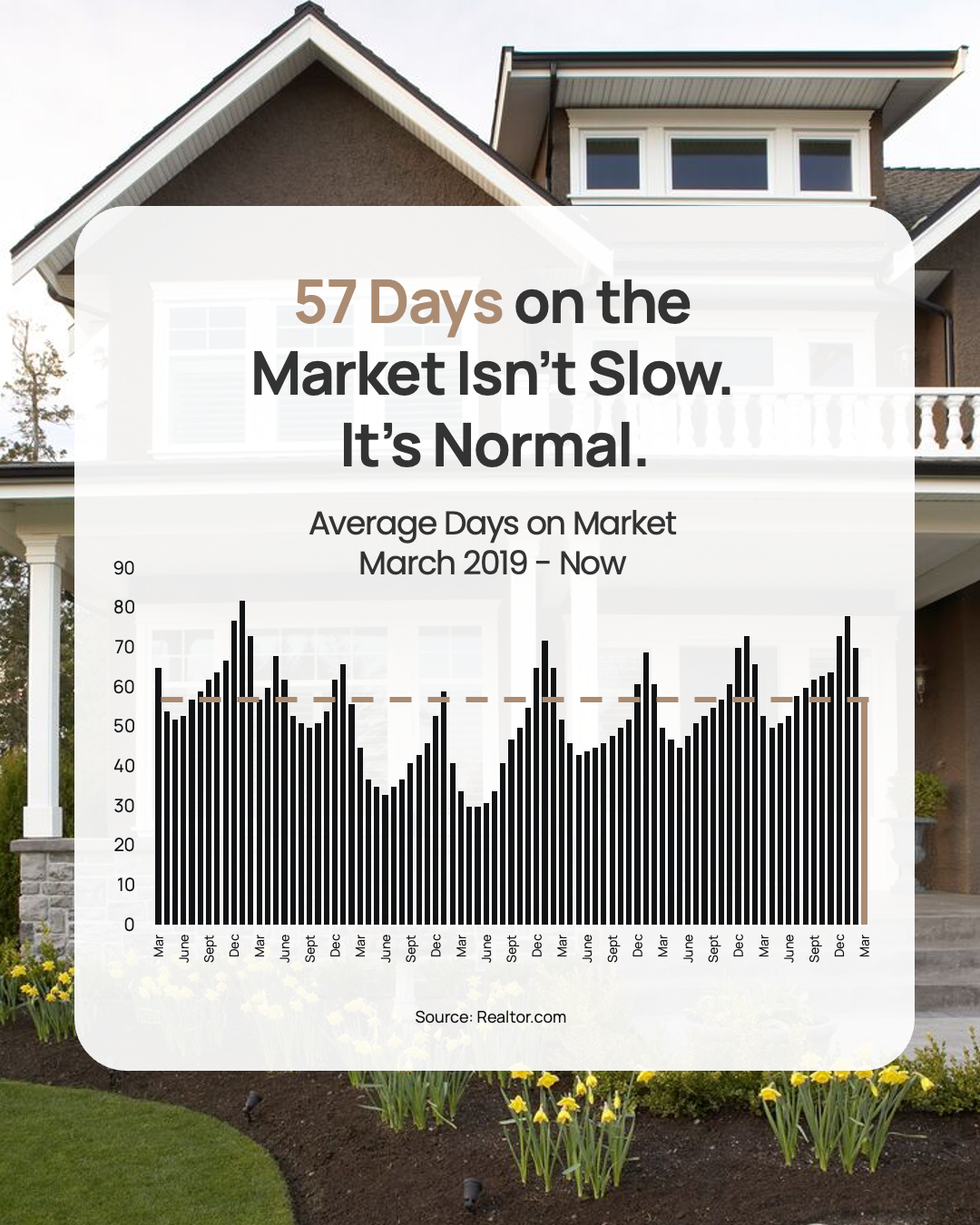
According to the National Association of REALTORS®, homes are spending a median of 57 days on the market. While that may feel slower compared to the frenzy of past years, it actually signals a return to normal, sustainable conditions.
This gives buyers more time to make thoughtful decisions and encourages sellers to focus on preparation and pricing rather than urgency.
The Growing Influence of Demographics and Technology
Two major forces are shaping 2026:
1. Demographic Shifts
Millennials remain a dominant buying group, while Gen Z is beginning to enter the market. At the same time, downsizing Baby Boomers are influencing inventory levels. These shifts are redefining demand, location preferences, and home features.
2. Artificial Intelligence in Real Estate
Artificial intelligence is becoming more integrated into the buying and selling process. From predictive pricing tools to streamlined transaction management and enhanced marketing automation, AI is increasing efficiency and improving the overall client experience.
A Renewed Focus on Homeownership
With moderating costs and improving affordability, 2026 is reinforcing the long-term value of homeownership. Rather than dramatic swings, the market is stabilizing — creating opportunities for those who approach it with preparation and strategy.
For buyers, that means improved negotiating power and more choices.
For sellers, it means standing out through smart pricing and professional marketing.
The 2026 real estate landscape isn’t about urgency it’s about positioning. And those who adapt to the new balance will be the ones who succeed.